* I never would’ve noticed this story if the Daily Egyptian didn’t run a tongue-in-cheek column entitled “8 things more likely to happen than SIU closing campus for weather.” Here’s the all-too-real Number 3…
Have an administration where the majority aren’t interim
It turns out that 42 administrators at SIU-Carbondale are listed as “interim,” from the president on down. Click here for the chart. It’s insane. And that chart was made before the hiring of SIUC Interim Chancellor John Dunn in December.
Southern Illinois University Carbondale currently has 41 employees in interim positions throughout administration, faculty and staff. […]
College of Mass Communication & Media Arts’ acting Associate Dean for Academic Affairs and Interim Director of Graduate Studies Aaron Veenstra said one of the reasons SIU has so many interim positions for administrators is the university lacks hiring power.
If everyone who is interim wanted to hire somebody to be the head of a school, the university would be required to do a national search, Veenstra said.
“But we can’t hire anybody,” he said.
Employees in interim positions of department faculty and administrative staff hold positions that are not permanent, SIU spokesperson Rae Goldsmith said.
“Typically, interim positions are no longer than one year, although we do have a couple now that are multiple years,” Goldsmith said.
That place has lacked any semblance of stability for years. This has to come to an end one way or another.
* Meanwhile…
Southern Illinois University could establish a presence in downtown Springfield under a plan introduced in the legislature today by State Senator Andy Manar.
Manar’s plan (Senate Bill 179) would set aside $50 million in state capital funds for a grant to SIU for costs associated with the construction of a campus and public policy center. The site would have to be within 1 mile of the SIU School of Medicine at 801 N. Rutledge St.
“There is enormous potential in the idea of SIU placing a public policy center steps from the Capitol,” said Manar, a Bunker Hill Democrat and chairman of a key Senate budget committee. “Coupled with a law school or something associated with the medical school, I think SIU could have a significant and lasting impact on downtown Springfield and the capital city at large.”
In March 2018, SIU officials indicated they were interested in putting a satellite law school campus in either downtown Springfield or in Edwardsville. Local officials have discussed the possibility of a higher education presence downtown, possibly on the long-vacant YWCA block just north of the governor’s mansion. The site would be a perfect location for an SIU campus, Manar said.
He also noted that the timing is right for the legislation with discussions about a potential capital bill under way.
“There should be something substantial for Springfield in the capital bill when it happens,” he said.
Wednesday, Jan 30, 2019 - Posted by Advertising Department
[The following is a paid advertisement.]
Illinois progressives ran, organized, voted, and won in 2018. Now it’s time to lead. Our victories this election showed there is strong support across Illinois for a bold, progressive agenda and leaders who can turn that agenda into action. We have the power to make Illinois a state that leads the nation on committing to 100% clean, renewable energy, reducing gun violence to keep our communities safe, expanding abortion access to all no matter where they live, their income or age. Working together, we can move Illinois forward on these issues and more — from workers’ and immigrant rights to criminal justice reform, LGBTQ equality, and affordable healthcare. We are one in the fight to build a state where all people can raise families in healthy, safe communities, with dignity and justice.
Forward Illinois is a coalition of leading progressive organizations representing more than 500,000 member-activists. Our work to mobilize voters around the progressive issues that impact us all didn’t end on Election Day. Now we’re taking our fight from the ballot box to the steps of our state Capitol to demand action. Learn more and join the fight at www.forwardillinois.com.
Frigid temperatures hit Chicago this weekend, but that didn’t stop people from packing the National Association of Letter Carriers Union Hall for the Transit 4 All mayoral forum last Sunday. The Transit 4 All title refers to a campaign organized by the workers’ rights coalition Chicago Jobs With Justice, meant to transform Chicago transportation. Moderating the forum was Phil Rogers, an NBC5 reporter. […]
Candidates were also asked whether they support Elon Musk’s O’Hare Express proposal. Most, if not all, do not. “If we are going to make public transit investments, it should be to CTA and Metra,” Preckinkle said, noting the need to prioritize the Red Line extension to 130th Street and the creation of a universal fare card.
Chico didn’t hold back in his disdain for the O’hare project. “It’s going to die on its own. This thing is goofy,” he said.
Ford said that the project reflects the current mayor tendency to cater to the elite, and that we should instead be asking developers to invest in the local economy to help communities. Wilson echoed this sentiment.
“I’d kill it,” said Vallas about the O’Hare project. “I can’t wait to kill it.”
Springfield tied a low-temperature record Wednesday morning as the thermometer at Abraham Lincoln Capital Airport bottomed out at 14 below zero.
The official National Weather Service reading, taken between 5 and 8 a.m., tied the record for the lowest temperature recorded on a Jan. 30 in Springfield. It also got down to minus 14 on Jan. 30, 2004.
The city on Wednesday is likely to break the record for the coldest high temperature ever recorded on Jan. 30. The current record is 3 degrees, set in 2004. The predicted high temperature on Wednesday is expected to be 4 below zero.
There’s a low of minus 8 degrees Wednesday at the South Pole, a few degrees above what suburban areas could see.
Barrow, Alaska, the northernmost town in the U.S., was about 9 below zero Wednesday morning.
Greenland’s capital Nuuk will have a high of about 18 degrees Wednesday, almost 35 degrees warmer than Chicago’s Wednesday highs of 10 to 15 below. […]
On Mars, the high will be almost 35 degrees warmer than Chicago, at around 19 degrees, according to NASA. But the low will be about 99 degrees below zero at night.
I ran the water in some of my faucets overnight, but one of my showers isn’t working, so I’m really bummed. My handyman advised me not to leave my house in case the pipe bursts, but I have session today, so I’m still deciding what to do.
* The Question: How are you and yours dealing with the cold?
A surge in the construction of Chicago-area data centers has ballooned the industry’s regional vacancy rate from 2 percent to 11 percent since last year.
Pushed by businesses’ growing demand for cloud-computing storage, developers built almost 57 megawatts of capacity — enough to power more than 16,000 homes — around the metro area since last year, according to CBRE data reported in Crain’s. That’s about twice the region’s typical annual pace of data center construction.
Digital Realty accounted for the bulk of the expansion when it built a 305,000-square-foot data center in Elk Grove Village in fall 2018, adding about 29 megawatts of capacity. And ComEd broke ground last year on an expansion to its substation in Itasca, aiming to add 180 megawatts of capacity by the end of 2019.
Illinois should offer financial incentives to get companies to build big data centers here, says a report released Friday by the Illinois Chamber of Commerce Foundation.
Otherwise, it will continue to miss out as centers build in states that do — including neighboring Iowa, where Apple is getting a $208 million break on local and state taxes for a $1.3 billion facility it is building.
ICC President Todd Maisch, speaking to business and civic leaders in Aurora, likened it to the value of railroad development in the 19th century or highways in the 20th century.
“This is that important. It is a growing market. Illinois is growing in this area, but we don’t get nearly enough of what we should get based on our history and based on the economic potential of our state,” he said.
They’re already building huge data centers. The problem is the customer base.
The only markets in the country with more data center capacity – measured in megawatts — than the Chicago area are Northern Virginia, home to many of Amazon’s data centers, and the Dallas-Fort Worth area, according to information from real estate firm CBRE. But Northern Virginia’s market is much larger and growing much quicker.
The Chicago market is 40 percent smaller than the Northern Virginia market, which grew 16 percent between June 2017 and June 2018, according to the Illinois chamber report. The Chicago market grew only 7 percent during that time.
Chicago developed as an attractive market for data centers for the same reason it became a hub for railroads: its central location. Much of the fiber optic cable the internet runs on was laid along railroad tracks, and Chicago acted as the connector between east and west. Plus, the city has reliable electricity and isn’t at risk for the hurricanes or earthquakes that threaten the coasts.
But suppose Gov. Sunbeam indeed turns Illinois around, as he has promised, in the next two years? Using new revenue enhancements, like the fees gun shop owners will pay for the new state gun licenses they will need if they want to stay in business in Illinois. Or more casinos and a marijuana tax. And, don’t forget taxing the rich and even cutting expenditures.
Dragging the Venezuela of the Midwest flush into the next decade could make Pritzker a possible presidential candidate, or at least fodder for those inside-the-beltway folks. Stranger things have happened in Illinois. Most of us know about the freshman Illinois senator by the name of Barack Obama who became presidential timber.
Already there are a half-dozen Democrats ready to take on President Trump next year. Filing for the state’s beauty contest and convention delegate candidates is set for December unless changed by the legislature. […]
By January 2020, Pritzker will have a year of governing under his belt. We’ll see if his outlook for Illinois remains bright and he becomes a turnaround specialist. If so, he could become the leader of the sizeable Democrat presidential pack.
Hilarious.
I cannot figure out if he’s serious or if he’s setting the bar so high for Pritzker that it’ll be easier to knock the new governor down if it doesn’t happen. “Pritzker doesn’t live up to expectations - Illinois still Venezuela of the Midwest” or something.
Look, Barack Obama officially kicked off his presidential bid on February 10, 2007, more than two years after being sworn in to the US Senate. The comparable kickoff date for this presidential cycle would be 11 days from now, just 27 days after Pritzker was sworn in as governor.
Not gonna happen. Not even worth discussing. I should probably turn off comments.
* Mayor Emanuel did to City Colleges what former Gov. Rauner wanted to do to public universities…
Under Emanuel’s [2011] “Reinvention” plan, each City College would become a “center of excellence” in a particular field.
Enrollment is down 32 percent.
* As the article notes, there are likely several reasons for this enrollment drop, but here’s one…
When programs that used to be down the block were moved across the city, professors said many students couldn’t follow them. […]
He points to enrollment in Malcolm X’s nursing program as proof. Nursing enrollment dropped 70 percent between 2010 and 2018, from 1,218 to 376 students. Overall, enrollment dropped by 29 percent at Malcolm X, despite a new $250 million campus.
At Truman College, chemistry professor Mohamed El-Maazawi remembers a thriving nursing program. But since it moved to Malcolm X his classes have gotten smaller. Instead of following the nursing program to the Near West Side, some students told him they’ve stopped going. Some have transferred to more expensive four-year schools. He said Reinvention made City Colleges forget who community colleges are supposed to serve.
Foxconn Technology Group is reconsidering plans to make advanced liquid crystal display panels at a $10 billion Wisconsin campus, and said it intends to hire mostly engineers and researchers rather than the manufacturing workforce the project originally promised. […]
[Louis Woo, special assistant to Foxconn Chief Executive Terry Gou, told Reuters] the company was still evaluating options for Wisconsin, but cited the steep cost of making advanced TV screens in the United States, where labor expenses are comparatively high. […]
Rather than a focus on LCD manufacturing, Foxconn wants to create a “technology hub” in Wisconsin that would largely consist of research facilities along with packaging and assembly operations, Woo said. It would also produce specialized tech products for industrial, healthcare, and professional applications, he added. […]
“In Wisconsin we’re not building a factory. You can’t use a factory to view our Wisconsin investment,” Woo said.
Earlier this month, Foxconn, a major supplier to Apple Inc., reiterated its intention to create 13,000 jobs in Wisconsin, but said it had slowed its pace of hiring. The company initially said it expected to employ about 5,200 people by the end of 2020; a company source said that figure now looks likely to be closer to 1,000 workers.
OK, so how are they gonna convince all those techies to live in the middle of nowhere Wisconsin? Those folks are gravitating to cities like Chicago.
On Friday, The Wall Street Journal reported that the company “fell short of the minimum number of jobs it was required to create in 2018 to claim state-job creation tax credits.” The Wisconsin Economic Development Corp says that the company needed to create 260 full-time jobs, but only created 178. As a result, the company won’t receive tax credits for 2018. The WSJ cites the state’s low employment rate as a factor for the slow hiring, and notes that the company could earn $19.1 million in tax credits if it passes its hiring goal of 2,080 jobs this year. The company denied reports last November that it had been looking to bring in workers from China to bolster its workforce.
First, roughly half the Wisconsin taxpayer money is guaranteed whether or not Foxconn ever hires anyone. And second, even if the company’s dramatic re-imagining of the project does shrink the total that taxpayers will pay, it will likely prolong rather than shrink the 25-year optimistic timeline for recouping the state’s expenses here, as the Milwaukee Independent explained on the one-year anniversary of the deal’s formal passage through the state legislature.
I wonder if the Tribune editorial board still thinks this was a good idea.
A pivotal figure at the Illinois tollway for the last four years has resigned amid scrutiny of the agency and a legislative push to clean house.
Chairman Robert Schillerstrom has submitted his resignation, a tollway spokesman said Monday.
Schillerstrom, former DuPage County chairman, spearheaded a massive expansion of the Central Tri-State Tollway (I-294), a controversial study of extending Route 53 north into Lake County, and the ongoing extension of Route 390 to O’Hare International Airport.
But a series of Daily Herald reports about the tollway board hiring individuals and firms with political or personal connections led to state Senate scrutiny this summer and drew censure from new Democratic Gov. J.B. Pritzker. […]
The Rev. Corey Brooks, a tollway director, also resigned, officials said.
You’ll recall that the General Assembly passed legislation to immediately get rid of all tollway directors. The governor has yet to sign the bill. I assume he’s waiting to line up new directors before he signs the bill.
* Rep. Kelly Cassidy (D-Chicago) on legalizing cannabis…
The proposal would also allow municipalities to opt out of the program, which means they could prohibit dispensaries from setting up shop within city limits. They can’t restrict residents from privately using the product, though. Localities would also be allowed to add an additional tax. However, the bill would cap how high that tax can be so it does not drive residents back to an illicit market.
“When we went out to Colorado, we met with the Boulder County District Attorney and he told us a cautionary tale that we’ve carried with us ever since,” said Cassidy. “His county, relatively affluent, not a lot of fiscal pressure there, they didn’t add a local tax. And they saw their illicit market all but disappear. In neighboring Pueblo County, a community with some significant fiscal challenges, they put the maximum tax on that they could and their illicit market grew.” […]
In terms of the tax dollars, Cassidy and Steans are still negotiating the “optimal tax strategy.” Recognizing that conversations about recreational cannabis almost always include talk of added revenue for the cash-strapped state, Cassidy said they are not creating the program to make money.
“Step one is ending prohibition, undoing the harm of the war on drugs, and then there will be revenue,” she said. “Estimates are $350 to $700 million. Put a pin somewhere in the middle, let’s say $500 million. That’s nothing to sneeze at, but it’s not the ‘why.’ It’s not the reason.” […]
“If a teen is caught drinking, their license can be taken away from them until they’re 21,” said Steans. “Right now, that’s not in place for cannabis. If a teen is caught smoking cannabis, they don’t lose their license. We’re going to change that in the bill. If they are found smoking, their license will be taken away until they’re 21.”
When I first got into the legislature, we were just starting to debate medical cannabis programs. … As I sort of had to start studying and learning about it to decide how I was going to vote on that, it came to me that prohibition plain just does not work, and that we really should be trying to go to a different structure overall around cannabis. I don’t think prohibition keeps it out of the hands of folks. In Illinois, you have 800,000 people who use cannabis on a regular basis. Ninety-eight percent are buying it from the illegal market. You don’t know what you’re buying. … [With legalization,] you can get a safe product. You know what you’re getting, and it gets out of the hands of teens a lot better when you do it in a regulated fashion. I just think it’s better policy.
Mike Madigan says he did nothing wrong. But the news that he was taped by Ald. Danny Solis, 25th, as part of a federal corruption probe is providing another stunning shock to Illinois politics and further roiling an already unpredictable race for mayor.
In separate statements, both Madigan and his longtime private attorney, Heather Wier Vaught, dismissed allegations in a Chicago Sun-Times report that Solis arranged a meeting with a zoning applicant who needed Solis’ backing for a Chinatown hotel project. Solis reportedly told the developer that hiring Madigan’s law firm to handle property tax appeals would clear the way for the zoning approval, but though the zoning was secured, Madigan’s firm was not retained and the hotel never was built. […]
From what I’m hearing, there’s lots more to come out on the speaker. Today’s news was colorful, but arguably not incriminating. Later developments could be of more legal significance.
See Y. Wong was a small-time developer with big dreams for reshaping Chinatown until his ambitious projects hit the skids in the last real estate recession.
Several projects failed. Investors lost their money. Lawsuits piled up, and some of Wong’s activities came to the attention of federal authorities.
By the spring of 2014, Wong was back with a more modest project, trying to help Chinese businessman Kin Kuong Chong build a 60-room hotel on a small patch of land on the northwest corner of Clark and Archer.
It was then that Wong agreed to co-operate in a federal investigation of Ald. Danny Solis (25th), according to a court document obtained by the Sun-Times.
Just three months later, Wong made an undercover recording of Solis with House Speaker Michael Madigan as they discussed whether the hotel developer would hire Madigan’s law firm to handle its real estate tax work. At the time, Wong was helping the developer seek a zoning change from the City Council Zoning Committee chaired by Solis, who allegedly steered them to Madigan.
Tuesday, Jan 29, 2019 - Posted by Advertising Department
[The following is a paid advertisement.]
The Illinois Credit Union League invites all new members of the General Assembly to join us this evening for an open house from 5-7 p.m. at 225 S. College, Suite 200. We hope to see you there!
ICUL is the primary trade association for Illinois credit unions. Credit unions are not-for-profit cooperatives that focus on serving their members and communities. Credit unions function like other financial institutions in many ways: they offer checking accounts, savings accounts, and credit cards, as well as personal, home, and auto loans, free ATMs, and more. However, credit unions exist as member-owned cooperative institutions. This means that when you join a credit union, you are more than just a member: you’re an owner, and your voice matters. Interested in finding the credit union that’s right for you? Visit ASmarterChoice.org to discover all the advantages that membership holds.
A freshman Illinois lawmaker wants to allow public schools to publicly display the motto “In God We Trust,” something church-state separation advocates say alienates nonreligious students.
One of the first bills Lewisville Republican state Rep. Darrin Bailey filed after taking office this month was House Bill 341, which says a school board can allow the national motto “In God We Trust” to be conspicuously posted on school grounds. Bailey says the current political climate shows a need for a return to Christian principles.
“As a God-fearing Christian, I believe that the lack of such is the problem in our country today,” he said.
His bill would not make displaying the national motto mandatory.
Amends the Department of Public Health Powers and Duties Law of the Civil Administrative Code of Illinois. Requires the Department of Public Health to create and maintain a list of each immunizing agent derived from aborted fetal tissue and any alternative immunizing agents. Provides that the Department shall ensure that, before administering an immunizing agent derived from aborted fetal tissue to an individual, a health care provider shall provide to the individual or, if the individual is a child, to the parent, guardian, or person in loco parentis of the child: (1) notification that the immunizing agent was derived from aborted fetal tissue; (2) if an immunizing agent that is not an immunizing agent derived from aborted fetal tissue is available as an alternative to an immunizing agent derived from aborted fetal tissue, an offer of the alternative; and (3) notification of the option to decline the receipt of the immunizing agent.
Vaccines don’t contain fetal tissue. The vaccine against rubella — also known as German measles — was created in the 1960s using a virus isolated from the tissue of fetuses whose mothers had rubella. The women chose abortion because of concerns about birth defects caused by rubella, according to the History of Vaccine website, a project of the College of Physicians of Philadelphia. Those birth defects include deafness, heart disease, mental retardation, a devastating brain inflammation called encephalitis and pneumonia.
Vaccines against hepatitis A, chickenpox and rabies also have been made with cell lines that derive from fetal tissue, Offit says. The viruses are purified before being used in vaccines, and no human cells remain in the final shots given to children.
The National Catholic Bioethics Center has said that Catholics are “morally free to use the vaccine, regardless of its historical association with abortion. The reason is that the risk to public health, if one chooses not to vaccinate, outweighs the legitimate concern about the origins of the vaccine. This is especially important for parents, who have a moral obligation to protect the life and health of their children and those around them. … It is important to note that descendant cells are not the cells of the aborted child. They never, themselves, formed a part of the victim’s body.”
A bill in the Illinois Senate could soon make it easier for more retailers to let you add a fifth of rum to the bottle of cola in a home delivery order.
On Jan. 16, state Sen. Don Harmon, D-Oak Park, introduced Senate Bill 54, which would allow third-party grocery delivery services to obtain a state-issued liquor license in any Illinois community. The proposal would also prevent municipalities from imposing blanket bans on the services.
As the popularity of third-party grocery delivery services has continued to surge, local communities have differed in their approach to regulating the delivery of alcohol. The purpose of the bill is to ease the regulatory burden on retailers and third-party services navigating that maze of local liquor ordinances, Harmon said.
“I think by and large [third-party delivery companies] shouldn’t be having to see who can get this and who can’t,” Harmon said in an interview. “It seemed to me like we should have a statewide system to regulate this appropriately … we should have a statewide standard.”
“To my knowledge, I am not under investigation by the office of the U.S. attorney, and I have not been contacted by the U.S. attorney relative to Dan Solis,” Madigan said in a statement. […]
An attorney for Madigan said that to their knowledge neither the speaker nor his law firm is under investigation.
“The speaker recalls attending several meetings with Ald. Solis over the past five years, including meetings with individuals in need of legal representation,” Heather Weir Vaught, a private attorney for the speaker, said in a written statement. “If indeed, some of his conversations were being recorded, the speaker did not know that, but he has no concern if they were. The speaker has no recollection of ever suggesting that he would take official action for a private law firm client or potential client.”
Discuss.
…Adding… Pretty restrained…
A spokesman for House GOP Leader Jim Durkin responds to the @SunTimes report that the @FBI has secret recordings of Speaker Madigan: “We are concerned with the recent issues coming out of the City of Chicago. We will continue to monitor and assess as more facts come to light."
* Is this Chinatown hotel plan focus of Madigan FBI recording?: Crain’s could not immediately confirm that the project is the one in question in the Madigan recording, but a photo of the site published by the Sun-Times matches the nondescript. 5,530-square-foot piece of land owned by the Chong venture. The timing of the project also lines up with the report, as the Chicago City Council approved new zoning for the site in September 2014, public records show. The hotel was never built, though the Chong venture—a company formally known as Sheng Man De Investment—still owns the land, Cook County property records show.
* Gov. Pritzker was asked today if he was concerned about the FBI recording of Speaker Madigan discussing property tax business with a developer and Ald. Danny Solis…
There is an ongoing FBI investigation and I think we should see that play out. I don’t think it’s appropriate for me to comment on that ongoing investigation.
I think it’s very important for people to be held accountable if they’ve done something wrong. So we need to see the investigation play out and then people who are indicted or are found to be, to have acted inappropriately or against the law to be held fully accountable for that.
I’ve said for a long time that a citizen legislature exists, and that’s also the case in other bodies that are elected across the state, that people hold outside jobs. And when they do that there is the potential for conflicts of interests. And that is where we need to make sure that people are either abstaining from the activity on the outside that would interfere with their ability to do their job that they’re elected to do and do it ethically, or abstaining from being involved in it in any way in government.
It’s one or the other, but you can’t be, in my view, it’s improper for people to be voting on issues that are directly effecting their income, their industry, their personal well-being in terms of money-making.
That all sounds good, but would Pritzker really stop farmer legislators from voting on ag bills?
Chicago’s black population, the city’s largest demographic in 2000, has dropped by 24 percent through 2017, going from more than one million in 2000 to just under 800,000 in 2017. The number of whites in Chicago surpassed blacks in 2017, and Latinos will almost certainly pass blacks by the time of the 2020 census.
Chicago’s population would be increasing if not for the black exodus. How can it be explained?
Well, there’s the lack-of-a-dynamic-economy theory and the slowed-immigration theory, already noted. And there’s the rust-belt-restructuring theory, which suggests that Chicago’s transition from a manufacturing-dominant economy to a service- or tech-based one creates new winners and losers—and that we’re shedding those who are unable to contribute in the new economic environment. Also partly true, but pretty Darwinistic.
There’s also the “crime and schools” theory. Chicago’s violent crime rate has been a national story for some years now, and while crime is down significantly from the “crack era” 90s, it hasn’t fallen as much as it has in other major cities. The closure of more than 50 schools in 2013, mostly in black communities on the south and west sides, meant the loss of key local anchor institutions. Without a doubt there are many blacks who feel they are being pushed out of Chicago by its crime challenges, and that the school closures were an indication of a lack of investment in critical local institutions. […]
(B)lack Chicagoans aren’t flocking to the suburbs so much as leaving the region altogether. The number of blacks in the metro area but outside of Chicago has been relatively stagnant since 2000, an indication that people are leaving. The cities gaining at Chicago’s expense? Sunbelt hot spots like Atlanta, Dallas, and Houston. The draw is the perception of greater opportunity, and perhaps the chance to restore old southern networks with family and friends who stuck around.
Governor JB Pritzker today issued a disaster proclamation for the entire state ahead of a severe winter storm that will blanket the state with life-threatening wind chills for several days.
“This storm poses a serious threat to the well-being of people around the state, and we will use every tool at our disposal to keep our residents safe,” said Governor JB Pritzker. “This disaster proclamation ensures that the state of Illinois has the flexibility to effectively and efficiently respond to the needs of local governments during this extreme weather event.”
A state disaster declaration makes available a wide variety of state resources that can help affected communities respond and recover from the storms. The state of Illinois has mobilized personnel and assets to help local government officials with disaster response and recovery.
Earlier this week, Governor Pritzker activated the State Emergency Operation Center to support local government as they begin to plan for these extreme weather conditions. Current forecast models indicate arctic air will move into Illinois Tuesday evening and last through Thursday. The National Weather Service indicates wind chills could reach -55 in northern Illinois, -35 in central Illinois and -25 in parts of southern Illinois.
With these extreme temperatures and dangerous wind chills, the Illinois Department of Public Health (IDPH) indicates frostbite could set in on exposed skin within 10-15 minutes. The Illinois Emergency Management Agency (IEMA) has a list of identified warming centers in our state, listed by county on the Ready Illinois website. If there is not a warming center near you, call your county emergency management agency for additional assistance. Additionally, all Illinois Department of Human Services (IDHS) offices serve as warming centers during regular business hours for anyone looking to find a safe, warm place during the cold.
I’ll post audio of the press conference when I get it. Suffice it to say, the governor and his team made a strong effort to lay out the dangers today…
Watching Pritzker administration press conference on horribly cold temps heading this way and it's having the intended effect of freaking me out
Newly appointed @ILStatePolice head Brendan Kelly says that since the extreme weather began this last weekend, there have been 476 CRASHES. That is insane. Also four troopers have been struck this year (including the crash that was fatal for Trooper Christopher Lambert)
Chris Miller of National Weather Service warns against frostbite; also says cold has killed more than tornadoes, other disasters in IL pic.twitter.com/GcnZoxFRXm
*** UPDATE 1 *** I asked the governor’s press secretary about rumors that Pritzker will order the government to shut down tomorrow and I was told those rumors are false. No shutdown is planned.
*** UPDATE 2 *** Dave Druker with the secretary of state’s office says their facilities will be closed tomorrow and they are looking at what to do on Thursday. The Capitol Building and the Stratton Building will have SoS staffing/security during those days, however.
*** UPDATE 3 *** Abdon Pallasch tells me that the comptroller’s office will be open tomorrow.
Working with shelters, the city plans to add about 500 extra shelter beds this week, 13% more than usual capacity, DFSS officials tell CCH.
Some overnight shelters are running 24/7 schedules until Friday, including youth shelters run by The Night Ministry (The Crib) and La Casa Norte.
The city has designated some CTA buses to act as overnight warming centers, including a bus stationed at Des Plaines and Columbus Drive.
Two 24-hour warming centers were opened for Chicago residents: Garfield Center at 10 South Kedzie and King Community Center at 4314 South Cottage Grove. DFSS posts alerts online, including on Twitter at @ChiFamSupport
Four other warming centers will have extended hours, 9 a.m. to 8 p.m. Tuesday through Thursday, and 9 a.m. to 5 p.m. on Friday. These community service centers are at 1140 W. 79th St. (Englewood), 845 W. Wilson Ave. (North Area), 8650 S. Commercial Ave. (South Chicago), and 4312 W. North Ave. (Trina Davis).
The city also operates a network of warming centers that includes the libraries, police stations and park district facilities.
*** UPDATE 5 *** The treasurer’s office has “encouraged staff to take a personal day” due to the weather. “However we will have a skeleton crew to meet operational needs.”
* I was told yesterday that the inaugural ball raised $800,000 and Pritzker matched it with his own money. So, the Fairgrounds Foundation will receive $800K as will Cabrini Green Legal Aid…
The Illinois Fairgrounds Foundation is getting a check for $800,000, raised with the ticket sales from Gov. J.B. Pritzker’s inauguration. […]
John Sullivan, acting director of the Illinois Department of Agriculture, said Monday the fairgrounds have been neglected for many years. As a result, there is a huge backlog of deferred maintenance and repairs.
“We will identify where the money can best be used,” Sullivan said. “Certainly the foundation is going to have some input on that. We will make sure the money is put to good use.”
Along with the donation, the General Assembly also allocated $30 million in the budget passed last year for repairs at the state fairgrounds. Total rehabilitation needs at the state’s two fairgrounds has been estimated at $185 million.
Illinois Gov. J.B. Pritzker says state employees will be placed on the correct step of the state pay plan on April 1.
The reinstatement of long-postponed, experience-based salary increases is expected to affect about 20,000 state workers represented by the American Federation of State, County and Municipal Employees. Pritzker announced his intention to bring back the raises earlier this month on his first full day in office.
Step increases, required by state law, are paid to employees in their first eight to 10 years who, as a savings to state government, start at below-market rates as incentive to gain experience and stick around. Former Gov. Bruce Rauner halted them in 2015 when AFSCME’s last contract expired.
The administration estimates the cost will be around $50 million for the remainder of the fiscal year.
I feel very badly for Ed Burke. "Justice" took a simple Burger King shakedown and is applying tremendous pressure on him. But unlike the rat Danny Solis, he refused to "break" and make up stories to get a "deal." Such respect for a brave man! #twill
The FBI secretly recorded Illinois House Speaker Michael Madigan trying to get business for his private law firm from a developer brought to him by Ald. Danny Solis, who was weighing the developer’s request to build a hotel in Chinatown, according to a federal court affidavit obtained by the Chicago Sun-Times. […]
The associate of the Chinese developer told the FBI in May 2014 about efforts to seek a zoning change for the proposed hotel, which would have been built in Chinatown in Solis’ 25th Ward. The developer was trying to secure a “letter of support” for the project from Solis, who initially said he would support the zoning change on two conditions, according to the affidavit. […]
Then, in August, [after the other two conditions were met] Solis reached out to the associate and asked him and the developer to attend the meeting with Madigan. The associate explained that he would need to translate for the developer, who did not speak English. […]
After confirming that his firm was under consideration, Madigan said, “we’re not interested in a quick killing here. We’re interested in a long-term relationship.” […]
Despite that conversation, neither the businessman nor his associate had signed a retention agreement with Madigan’s firm by the time the FBI agent wrote the 2016 affidavit. The land got zoning approval from the City Council, but the hotel was never built.
Retiring Ald. Danny Solis (25th) received sex acts, Viagra, free weekend use of an Indiana farm once owned by Oprah Winfrey and a steady stream of campaign contributions in exchange for shepherding official City Council actions, according to allegations in a federal court affidavit obtained by the Chicago Sun-Times.
The allegations are contained in an explosive search warrant application that helps explain why Solis, the powerful chairman of the City Council’s Zoning Committee, agreed to spend more than two years cooperating in a federal investigation during which he is known to have secretly recorded at least a dozen conversations with Ald. Edward M. Burke (14th), the former chairman of the City Council’s Finance Committee.
Although no charges have been filed publicly against Solis, the 2016 affidavit lays out in detail a federal corruption case against the veteran alderman, who was one of the closest City Council allies of Mayor Rahm Emanuel and Emanuel’s predecessor, Richard M. Daley. […]
The 120-page affidavit shows federal investigators listened in on more than 18,000 conversations on one of Solis’ cellphones over the course of at least a year, while also conducting surveillance of his private meetings and trips to massage parlors.
* Related…
* Hero or zero? Solis hopes history treats him kindly for helping feds in probe
Pritzker’s plan to boost aides’ salaries unconstitutional
According to the Jan. 12 front-page story “Pritzker personally to bump aides’ pay,” Gov. J.B. Pritzker intends to supplement the state-paid salaries of some of his appointees with funds from “East Jackson Street LLC, an organization Pritzker set up.”
However, Article V, Section 21, of the Illinois Constitution says: “Officers of the Executive Branch shall be paid salaries established by law and shall receive no other compensation for their services.”
It seems Pritzker’s supplemental compensation scheme has serious constitutional problems.
Twenty of Pritzker’s deputies will be paid through the LLC and the biggest checks will be cut to the governor-elect’s chief of staff and deputy governors, whose state salaries will not start off as high as some of Gov. Bruce Rauner’s top staff.
Article V, Section 21 of the Illinois Constitution bans “officers of the Executive Branch” from receiving any other compensation for their services, which is generally interpreted to mean the state’s six constitutional officers — the governor, lieutenant governor, attorney general, secretary of state, comptroller and treasurer. But Section 9 of the executive article does refer to personnel who are nominated by the governor and confirmed by the Senate as “officers,” which by some interpretations would then ban them from receiving extra compensation. But Pritzker’s transition team stipulated that the governor would not offer the pay boost through his LLC to those who must be confirmed by the Senate.
A draft plan allows people to grow small amounts of marijuana in their homes. The idea is to help marginalized populations get a piece of the pot. […]
Illinois Chiefs of Police Director Ed Wojcicki says he understands the point, but says lax growing rules is just asking for trouble.
“It’s dangerous and we’re not trying to be alarmist. It’s just what’s happened in other states,” said Wojcicki.
He says Colorado law enforcement warned homegrown programs help cartels on the black market thrive. Wojcicki says killing this part of the plan is now their top priority.
“If the bill has home-growns, it’ll make any type of regulation impossible,” said Wojcicki.
On the bright side, that means the chiefs are coming to the table with the realization that something is going to pass and they want to leave their stamp on it.
Personally, I don’t care one way or the other. If on the off chance that I ever wanted to partake of a tiny stinkweed nugget, I’d want an expert to provide it. But that’s just me. Some people really want to grow it themselves, like the home-brewers.
Today the Supreme Court entered an order granting “in part” the State’s motion for an extension to decide whether to appeal the appellate court’s finding that Bruce Rauner had wrongly broken off state contract negotiations based on a false claim of impasse. The Court granted an extension to March 29, a month shorter than the additional time requested by the Pritzker Administration.
* Also, remember this?…
In a @CapConnectIL interview that will air this Sunday, @AFSCME31’s legislative director lays out the top items on their wish list: pay raises for state workers, cheaper healthcare for state workers, and assurances their work won’t be outsourced to private contractors. https://t.co/mgVPigQcJG
Webb-Gauvin, AFSCME Council 31’s legislative director also laid out what she described as a preliminary wish list for the union’s members.
“We want fair wages that are fair,” she said. “Our members have gone four years without a penny of a pay raise. We want health care that we can afford. We want basic rules of the road for privatization so that public services can’t be outsourced for private profit.”
“Now that we are sitting across the table from a governor who understands and respects the collective bargaining and understands the stability and predictability that a contract settlement would provide — not just to the workers but to people that rely on our service — we are hopeful that we can go to the table and get a contract that is fair to everybody,” she said.
[Susana Mendoza] also took a shot at Bill Daley, a fellow mayoral contender.
Daley was the White House chief of staff in 2011, when the Obama administration was grappling with a regulation in the Affordable Care Act that required religiously affiliated hospitals, charities and universities to provide birth control coverage for employees.
According to news reports, Daley, a lifelong Catholic, organized a meeting with President Barack Obama and then-New York Archbishop Timothy Dolan. Dolan and other Catholic leaders wanted an exemption to the contraceptives mandate.
“Democratic members of Congress who lobbied the White House said they believed that Mr. Obama’s chief of staff, William M. Daley, and his special assistant for religious affairs, Joshua DuBois, favored a broader exemption,” The New York Times reported. They eventually carved out a compromise.
Now Mendoza questions Daley’s commitment to reproductive rights. “You can’t claim to be pro-choice and then try to use your power to cut off access to reproductive choice for women as a chief of staff to the leader of the free world.”
* Response from a Daley campaign comms worker…
This is what's sad about politics, @susanamendoza10 using this issue to distract from her bad start to the year (VAP, Burke and Solis). I would NEVER work for a candidate who isn't pro choice. https://t.co/MxTafXSF7f
Mayoral contender Susana Mendoza’s own words were used against her Monday as two political allies of Toni Preckwinkle and a man exonerated from death row questioned her record on the death penalty. […]
Cook County Clerk Karen Yarbrough, state Sen. Robert Peters, D-Chicago, and Nathson Fields, who was cleared of double murder, sought to “set the record straight” about Mendoza’s role in abolishing the death penalty. The three specifically pointed to Mendoza’s claim that she was the deciding vote in overturning capital punishment — a claim that was found to be “mostly false.”
“This is especially concerning for me that she would use this because she had already made herself very clear where she stood on criminal justice issues,” Yarbrough said at the West Loop law offices of Loevy and Loevy.
“She’s no reformer and I really take issue with this whole business of being the 60th vote, like she carried the day.”
* Speaking of weak. Here’s a one-minute spot introducing a mostly unknown candidate which displays said candidate’s name on-screen for just a few seconds tops…
Don’t do this at home, kids.
* Related…
* With the mayor’s race now up for grabs, who does biz back?: The most likely to gain from that situation is former U.S. Commerce Secretary Bill Daley, who already has far and away the most business backing in the field. But doubts remain that Daley, despite his family name, has enough support to finish in the top two on Feb. 26 and make it to the April runoff election at a time when Chicagoans may be seeking something different in their next mayor.
* Mendoza seeks to reset campaign with ethics plan - After weeks spent under fire for her political ties, the mayoral hopeful brings in Dan Webb to help her refine an anti-corruption plan that includes term limits, a ban on hiring relatives, public campaign financing and more.
The Illinois State Fairgrounds’ Coliseum will now be called “The Coliseum of Champions.”
The Illinois Fairgrounds Foundation on Monday announced the new name, the result of a foundation naming contest open to members of Illinois 4-H, FFA and the Junior Horseman’s Council.
Emma Eathington of the Fairview Huskies 4-H, Elaina Kessler of the Clay City FFA and Kylie Neisler of Country Roots 4-H Club of Montgomery County all submitted the winning entry. They will receive a silver platter of recognition, an Illinois State Fair Mega Pass and be the guests of honor at a grand reopening event.
The Coliseum — built in 1901 and home to horse shows and other events — was closed in 2016 when engineers found it structurally unsafe. It has been out of commission for the last two state fairs.
* The Question: What new name would you give to the Grandstand?
Q: The attorney general’s office said that it’s going to review the sentence of Jason Van Dyke. Do you think that’s a good idea for him to step in like that and do you think that Van Dyke’s sentence was fair?
A: Well, I think any ruling can be reviewed and I think it’s, there’s nothing wrong with doing that. Um, look, I happen to think that, uh, when someone has been killed, uh, the way that this, uh, you know, murder took place, uh, that, uh, a strong sentence, uh, would have been better than the one that was, uh, that was, uh, put in place here. So, it’s reasonable to review it, but, but I don’t know what the outcome of that review would be.
This action is the one of David Krupa, a very brave, serious young man who has dared to challenge the Chicago Machine to end the rapacious reign of a corrupt power, only to see just how shockingly corrupt that power can be in defending its ill-gotten power. It also exposes for the public yet another example the vicious conduct that underlies and supports machine politics in Chicago. Those politics must end, and will end if Chicagoans are willing to follow the lead of David Krupa.
On information and belief, based upon the actual misconduct of Defendants, once Defendants became aware that DAVID intended to run for Alderman in the 13th Ward the Defendants entered into an agreement to engage in a campaign of intimidation, harassment and illegal tactics against DAVID to cause him to withdraw from running for Alderman or else hinder his campaign to the point where he could not get sufficient signatures to obtain ballot access in the municipal election of February 26, 2019.
Defendants through their agents and operatives attempted to engage in personal intimidation of DAVID with an intent to cause his termination of his campaign, including but not limited to:
a.Pairs of large male operatives and/ or agents of Defendants, which on Plaintiff’s information and belief included Precinct Captains or other agents of 13THE WARD, routinely followed DAVID as he went door to door for signatures, entering the yards and stoops of voters after him and literally standing right behind DAVID in a hostile manner as he asked for signatures, thereby intimidating the voters talking to DAVID;
b.On one occasion when DAVID campaigned with voters in front a house, an operative and/or agents of Defendants who had been tailing him emerged from a truck, approached the group and instructed the voters “Don’t talk to him!” The operative then stated to DAVID “You’re a nice kid, but I’d hate to see something bad happen to you.” When DAVID asked for clarification, the operative stated “I’d hate to see you get hurt,” plainly implying that DAVID should abandon his campaign or risk violence against his person;
c.Attempts were made to blackmail DAVID, with false threats being made that QUINN and MADIGAN had embarrassing pictures of DAVID and would release them if he continued his campaign;
d.Harassment of DAVID occurred on social media, with persons using fake accounts and identities while making threats against DAVID’s life and his family;
In reaction to DAVID’s candidacy, Defendants expanded their conspiracy from a campaign of intimidation and harassment against DAVID to a campaign of intimidation, harassment against voters in the 13th Ward as well as fraud against the BOARD, all to eliminate DAVID as an opponent to QUINN for Alderman of the 13th Ward in the City of Chicago. […]
a.sending operatives and agents of Defendants to the homes of voters in the 13rth Ward who signed Nomination Petitions for DAVID to demand and extort execution against the will of the said voters documents which revoked their signatures on Nomination Petitions of DAVID;
b.having operatives and agents engage in repeated entry to the yards and doorways of voters in the 13th Ward who signed Nomination Petitions for DAVID to further demand and extort execution of documents which signatures on Nomination Petitions of DAVID, even after the first request was refused, so to harass and intimidate said voters into signing documents revoking their signatures on Nomination Petitions of DAVID;
c.having operatives and agents block in a physically threatening manner the path to the doorways of the homes of voters in the 13th Ward who signed Nomination Petitions for DAVID even after the first request was refused, and thereafter deny the voters entry to their own homes unless and until the voters agreed to sign statements revoking their signatures on Nomination Petitions of DAVID;
d.having operatives and agents threaten a cutoff of Ward services to voters in the 13th Ward who signed Nomination Petitions for DAVID if they would not sign documents revoking their signatures on Nomination Petitions of DAVID;
e.having operatives and agents engage in misrepresentations to voters in the 13th Ward who signed Nomination Petitions for DAVID concerning the legal effect of documents revoking their signatures on Nomination Petitions of DAVID in order to prevent the voters from realizing that the documents would revoke their signatures on said Nomination Petitions;
f.having operatives and agents affirmatively identify themselves as “from the Alderman’s Office” while showing identification as same, while asking for signatures on documents revoking signatures on Nomination Petitions of DAVID with the false explanation that the signature was only to verify the voter signature for election records; and,
g.having operatives and agents state to voters in the 13th Ward who signed Nomination Petitions for DAVID that their signature on Petitions for DAVID were “illegal” making mandatory the execution of statements revoking said signatures.
He’s alleging violations of his First Amendment rights and violations to the Equal Protection Clause. He’s also alleging a civil conspiracy. He’s asking for “substantial compensatory and punitive damages, plus attorneys’ fees, costs, and for such other and further relief as this Honorable Court deems just and proper, including temporary and permanent injunctions from further engaging in the foregoing conduct.”
* React…
Ald. Quinn…
This lawsuit is just an effort to distract voters from my opponent’s extreme right-wing agenda. My opponent is a day-one Trump supporter who surrounds himself with people who share the same dangerous views of the world. What we should be discussing is how to continue building opportunity for the residents of the 13th Ward, how to support and promote the best schools and teachers, where to find new economic investment for the neighborhood and how to keep our residents safe. I believe my record demonstrates my commitment to those goals.
Speaker Madigan…
This lawsuit is blatant defamation of me and Ald. Quinn. But we’ve seen this highly political tactic before. Distracting voters with ludicrous claims is pulled directly from the ultra-right-wing playbook. The residents of the 13th Ward deserve better. This election should and will be decided at the ballot box and not in the courtroom.
* Related…
* DePaul freshman accuses Madigan, Quinn of using fraud and intimidation: “We have notarized statements from people saying … they were visited like three or four times-a-day for a week by their precinct captain saying that they had to sign it and they wouldn’t stop coming back until they signed. When they caught people outside their house, they wouldn’t let people go into the house until they signed,” Krupa said Monday. “They operate as a criminal enterprise. They harass, blackmail, intimidate and strong-arm people. They use their public government services to further their own political agenda.”
* There’s a rare contest for alderman in Michael Madigan’s southwest-side stronghold: “I do have my own graffiti blaster,” [Ald. Quinn] said, explaining he bought it with his aldermanic expense account usually reserved for office supplies. “Yesterday alone we blasted 11 different spots down 63rd Street. I subscribe to the broken window theory, and removing the graffiti is very, very important.”
Today’s state tax map shows state and local tax collections per capita in each of the 50 states and the District of Columbia. D.C.’s tax collections per capita ($10,841) are higher than in any state. The five states with the highest tax collections per capita are New York ($8,957), Connecticut ($7,220), New Jersey ($6,709), North Dakota ($6,630), and Massachusetts ($6,469). The five states with the lowest tax collections per capita are Alabama ($3,206), Tennessee ($3,322), South Carolina ($3,435), Oklahoma ($3,458), and Florida ($3,478).
According to the Foundation, Illinois ranks eleventh at $5,654 per capita.
The Illinois Policy Institute has in the past pointed to a WalletHub study of household tax burdens that ranked Illinois at the top of the heap.
Progressive pioneer or boss of ‘corrupt’ machine? Preckwinkle, Lightfoot spar
Can it be both?
Chicago has a “weak mayor” system of government which forces mayors to build political organizations to project more power than they actually have. Mayor Harold Washington didn’t really have much power until he was able to elect a majority on the city council through herculean political efforts.
So, controlling the county party’s strings would help her get more done, if you believe she wants to get more done.
Party bosses are generally “don’t make no waves” types. Preckwinkle is anything but that on progressive policies. On people, however, well, that’s a different story…
“She may have been progressive at some point in her career, but … she is the machine,” Lightfoot said after the forum ended. “She’s the president of the Democratic Party, which is one of the most regressive organizations in our state. She sided with Joe Berrios, she sided with Ed Burke. There’s no way she can legitimately claim that she is progressive.”
And when you side with Berrios and Burke, you’re siding with the way they ran things in the county and the city.
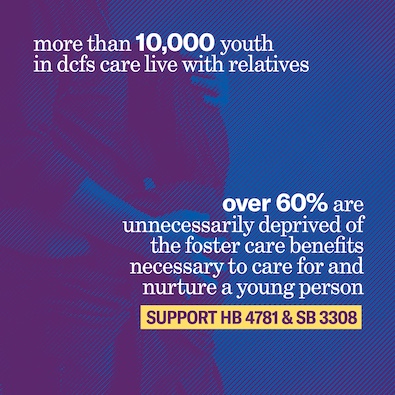
The acting chief of DCFS was never confirmed due to feuding between former Gov. Bruce Rauner and Democrats. Now with Gov. J.B. Pritzker in, Beverly "BJ" Walker is out. https://t.co/Rd35Bb0U4m
One of the least appreciated successes of the Rauner years was his ability to work with the Senate on his nominations. The Democratic Senate rarely voted to reject the Republican governor’s nominees (I think it happened only a couple of times) because Rauner’s team worked very closely with the Senate leadership. They made sure to vet all the candidates, closely followed all the nominating rules and they cut side deals to sweeten things with the SDems.
BJ Walker got sideways with the Black Caucus and that’s why I’m told she was never confirmed. But the Senate did not take the step of actually rejecting her, so she leaves as she came in: “Acting Director.”
Gov. Rod Blagojevich’s attempt to install a prominent consumer watchdog as head of the Illinois Commerce Commission flopped Thursday when the state Senate rejected his nomination.
The dramatic vote to deny the job to Martin Cohen prompted complaints that he was being punished for an effective career on behalf of consumers, and that the Senate was siding with powerful utility companies against ratepayers.
In a rare move, the Illinois Senate Wednesday slapped down Gov. Pat Quinn’s latest appointments to the Southern Illinois board of trustees.
Just two days after Quinn nominated new members to the board, senators used their appointment powers to send a strong message to the governor that they don’t approve of his tinkering with the make-up of the board.
The governor’s proposed appointments of Sandra Cook of Collinsville, Melvin Terrell of Chicago and Lee Milner of Springfield received zero “yes” votes, 23 “no” votes and 32 “present” votes.
The acting director of the Illinois Department of Children and Family Services says she’s stepping down next month.
Beverly “BJ” Walker told the Chicago Tribune late Friday that Gov. J.B. Pritzker is conducting a national search for her replacement and she has agreed to stay on to help the transition.
Walker was appointed as the acting head of the agency by former Gov. Bruce Rauner in June 2017 following the departure of George Sheldon, who left in the fallout of DCFS’ admitted mishandling of the Semaj Crosby case.
The GOP romance is already on the skids. Republicans who thought Pritzker was a centrist say he’s just catering to his left-leaning base. “We’re two weeks in and there’s zero indication” of him hugging the middle, said one GOP lawmaker. “So what” that he had dinner with Republican leaders Jim Durkin and Bill Brady? Pritzker then went and signed an executive order to ensure HB40 was being properly enforced. The measure allows taxpayer funding of some abortions. Republicans saw it as “a slap in the face.”
Pritzker ran with the full support of pro-choice groups like Personal PAC and his EO last week was designed to make sure insurance companies were following the law, enacted with the signature of a Republican governor, no less.
I gotta figure stuff like that has been long baked-in to just about everyone’s expectations of Pritzker, or at least it should’ve been to anyone paying attention.
Two weeks ago, the honeymoon was supposedly over because of a single partisan press release from the Illinois Republican Party, a partisan entity. And now it’s over again because the governor is doing stuff he overtly promised to do during the campaign?
Weird.
* Usually, people who say things like “slap in the face” aren’t the ones who are gonna be negotiating the big stuff anyway. If we hear Leaders Brady and/or Durkin talk like that then we know we’ve got problems.
In other words, if the Republican leaders ever decide to boycott the capital bill talks, then the troubles are real. Would they do such a thing over a liberal executive order designed to enforce existing state laws? Some hardline rank-and-filers surely would, but I kinda doubt they’ll be voting for any compromises anyway.
And this is not to say that everybody is going to get along swell all day, every day. Democrats are Democrats and Republicans are Republicans. Disagreements are natural, expected and even healthy. Pritzker is not going to become a Republican and Bill Brady isn’t going to become a Democrat. The object is to work together, not be like each other.
What I don’t expect to see is a quick return to the past four years, when just about everything was politicized to the Nth Degree and deals with the governor were next to impossible.
Besides, the spring session hasn’t even started yet. Let it play out for a bit and we’ll see what kind of governor he turns out to be.
Legislators are bringing back a bill to raise the age at which people can legally purchase tobacco products to 21, after Gov. Bruce Rauner vetoed similar legislation last session.
“I have reason to believe we can pass it again in both houses,” said Sen. Julie Morrison, D-Deerfield, adding that she thinks Gov. J.B. Pritzker will look at the bill favorably. […]
Pritzker spokeswoman Jordan Abudayyeh said the governor “looks forward to reviewing the legislation.”
“The governor believes in order to help build a healthy society, we have to work to prevent young people from smoking,” Abudayyeh said via email.
* “He’s running”…
Senator Jason Plummer (R-Edwardsville) is sharing concern over recently introduced legislation, (House Bill 888) that forces law-abiding citizens to give Illinois state agencies access to their personal social media accounts for merely considering exercising their constitutional right to own a firearm.
“It’s shocking that big-government liberals think the people of Illinois would be OK with granting government agencies the ability to snoop through their social media platforms,” said Sen. Plummer. “This ‘Orwellian’ mindset is frightening and something that all Americans, regardless of their partisan affiliation, should be on guard against. In America we care about individual rights and privacy.”
Sen. Plummer also highlighted legislation (Senate Bill 107) that calls for a ban on the sale or the unregistered possession of dozens of semi-automatic firearms, dubbed, “assault weapons,” to scare and mislead citizens. The bill also forces law-abiding gun owners to pay additional fees and consent to a massive government registry simply for owning these firearms, otherwise risk criminal penalties.
“This means that failure to pay additional fees and acquiesce to register lawful and privately owned firearms in a massive government-controlled database, even firearms passed down in a family from generation to generation, will lead to a felony charge and fines and/or prison time,” said Sen. Plummer.
Numerous types of widely-owned semi-automatic rifles, pistols, and shotguns are included based solely on their appearance rather than how they function.
“This legislation is an obvious overreach and infringes upon law-abiding citizens’ privacy and Second Amendment rights,” said Sen. Plummer. “The proposed legislation penalizes good, law-abiding citizens who have done absolutely nothing wrong. I plan to share my concerns with HB 888 and SB 107 with my colleagues on both sides of the aisle. This legislation sounds like stuff that comes out of the mind of totalitarian state apparatchiks—not from elected officials in a republic committed to individual rights and freedoms.”
Response from the Democratic freshman sponsor, Rep. Dan Didech…
In an increasingly online world, we must have an open discussion about the tools law enforcement may use to keep our communities and our children safe. This legislation would modernize the tools available to help law enforcement by allowing them to determine whether a person seeking to obtain a firearm is showing signs of violence toward themselves or their community online.
Standing up to Donald Trump and the National Rifle Association’s extreme agenda requires us to take a serious look at current policies and look for changes that can be made to end the epidemic of gun violence in our country. My hope is that this legislation continues a conversation about the actionable steps we can take to make our communities, schools, and places of worship safer. The stakes are too high for us to sit on the sidelines.
Everyone tends to roll their eyes when public officials promise to eliminate “waste, fraud and abuse”. But nobody denies that those things exist. The trick is to figure out what can be done to eliminate it.
It’s with that in mind that I’ve introduced House Joint Resolution 6 and a House Bill 275 which is modeled on President Reagan’s 1982 Executive Order establishing a private-sector cost study of the agencies of the Federal government, which resulted in the issuance of the 1984 “Grace Report”. In the report, the Grace Commission offered up 2,487 separate recommendations for streamlining government agencies which it estimated would have saved $424 billion over a 3-year period (and that’s in 1984 dollars).
H.B. 275 creates the Commission on Fiscal Responsibility and Reform, which is a private sector panel authorized to undertake a thorough review of Illinois agencies and provide recommendations for improvement. Its goal is to identify inefficiencies, redundancies and insufficient control over the operations of state agencies which result in inadequate services being provided at too high a cost. It would be charged with recommending improvements that would increase efficiency, reduce costs, enhance accountability and improve administrative control, and would also provide opportunities for managerial improvements over the short and long term, suggesting specific areas where further study could result in additional savings.
Like the Grace Commission, this Commission will be privately funded by soliciting contributions to be made to a 501(c)(4) social welfare organization as called for in the bill. Commission members would not be paid, and would be charged to present their findings to the Governor and the General Assembly by October 1, 2020.
Cleaning up audit findings isn’t enough; we must do this deep dive into our agency operations with a focus on finding where outdated and redundant processes can be eliminated or combined. We must also set policies in place which demand greater accountability from those stakeholders which come to the state asking for appropriation of taxpayer money. It’s time for them to show us how well they’ve spent the money we’ve given them before we give them more. In my first term, I was a member of the K-12 Appropriations Committee. I’ve seen firsthand that it’s not now being done.
This is not an attempt to fix blame or to point fingers at any agency or person. Every organization, public or private, needs a periodic review to find ways to improve its operations. Otherwise it grows sclerotic and gets in the way of its own purpose. But it’s obvious that something more robust than a mere audit is needed. It’s time for the Governor’s office and the General Assembly to step in and shine a light on what’s been allowed to languish for far too long. It’s what we’ve been elected to do.
State Senator Elgie R. Sims Jr. (D-Chicago) released the following statement after an unknown gunman shot and killed an 18-year-old man and wounded another person at Orland Square Mall Monday night:
“Monday night, I, unfortunately, witnessed two tragedies. The first was yet another senseless shooting, as a young man was gunned down literally a few feet away from where I was shopping with my family, along with other families, at Orland Square Mall.
“The second was the loss of innocence that died in the eyes of the children who witnessed the horrifying aftermath of the shooting. As parents, we do everything we can to protect our children and shield them from harsh realities. Yesterday, my heart sunk to the pit of my stomach realizing that these children will remember the violence that occurred for years to come.
“The shooting is yet another tragic reminder that the gun violence epidemic has only worsened in our country. It’s another reminder that we must act now in a meaningful way to address this problem and end the blood that flows onto the floors of churches, elementary schools, movie theaters, city streets and malls.
“The solutions are not a secret. We know that simple and broadly supported measures like universal background checks, cracking down on straw purchases and illegal weapon sales and limiting access to high-capacity magazines and military-style assault weapons would save countless lives. The time to act is now.”
State Sen. Elgie Sims, D-Chicago, was inside Justice — a children’s clothing store — with his wife and daughters when the shots rang out.
“I told everybody to get back, get down, get in the back and behind the counter because we didn’t know where the shooting was. Then I came from behind and crawled behind the register and got the front doors locked,” he said Tuesday.
Sims said he saw the victim on the floor right outside the doors of Justice.
He was also one of many shoppers who called 911. When police arrived, they searched the Justice store for the shooter and soon after, gave an all-clear, he said.
“We stayed there [in the store] while they worked on him. I kept everyone in the back of the store so nobody — so the kids — didn’t have the chance to see him being worked on.”
Q: And then in your statement, you take a turn to policy. Does this change or amplify or solidify — how do you see this in relation to the policies that you think Illinois should be pursuing in terms of preventing this sort of violence?
A: This situation only reinforces for me that we’ve got to have an honest conversation about gun violence and treat gun violence as the public health crisis that it is.
We’ve got to get away from this fallacy that gun violence is perpetrated by this “boogeyman,” this “gangbanger.” It’s not. Gun violence can happen anywhere, and I think the fact that this happened in Orland Park only serves to reinforce that these issues of gun violence — they don’t just happen in poor communities. They can happen anywhere.
When you’ve got free access to Illegal guns, these types of things happen.
* Sen. Sims posted his story on Facebook last week. Most commenters were supportive, but some were not…
Ugh.
* ISRA…
The Illinois State Rifle Association today is issuing the following statement on the senseless act of violence at the Orland Park Mall.
“Earlier this week there was a senseless shooting and murder at the Orland Park Mall. State Senator Elgie Sims was a witness to this horrific act along with his family. Sen. Sims took to social media to describe the ordeal his family and others at the mall faced. We commend the heroic actions Sen. Sims took to shield his family and others in the store until law enforcement arrived.
Unfortunately, in the aftermath of this horrible tragedy Sen. Sims and his family were subjected to comments that were beyond the pale of civil discourse. The Illinois State Rifle Association condemns these threatening, racist comments.
In this country we value to our core the fundamental belief in free speech. In the discussion regarding gun violence and potential ways to solve the problem there inevitably will be differing opinions. The Illinois State Rifle Association has at times disagreed with the Senator’s philosophy and votes on the topic of gun violence.
In the coming months there will be a continued discussion regarding the scourge of gun violence and how to keep guns out of the hands of criminals such as the shooter in this tragic incident. We at the Illinois State Rifle Association welcome all perspectives.”
We all know that former Gov. Bruce Rauner was outspent by our new Gov. J.B. Pritzker during the 2018 campaign. But the actual numbers are pretty darned eye-opening.
During the final three months of last year, Pritzker reported spending $37.2 million. Rauner, on the other hand, spent just $7.1 million — less than a fifth of his Democratic rival’s expenditures.
Overall, Pritzker’s campaign committee spent $173.1 million since its formation in March of 2017.
Of that, Pritzker’s committee contributed $28.1 million to other candidates and spent $145 million on Pritzker’s campaign. Pritzker reported spending a grand total of $90 million on media buys.
Starting in March of 2017, Rauner reported spending $78.6 million, about 45 percent of Pritzker’s amount.
Of that, Rauner’s campaign contributed $15.9 million to other campaigns and committees, a little over half of what Pritzker spent. Rauner spent $62.7 million on his own candidacy, 43 percent of what Pritzker spent. Rauner’s campaign reported spending a total of $41.1 million on media buys, which was less than half what Pritzker spent.
After last March’s primary (starting April 1), Pritzker’s campaign reported spending $104.7 million, including $27.1 million in transfers to other committees and $77.6 million on Pritzker’s own effort. $47.5 million of that was spent on media buys. He spent another $7.4 million on salaries and payroll costs, which gave him a veritable army.
During that same period since the primary, Rauner’s campaign spent $41.6 million (40 percent of Pritzker’s spending), including $8.4 million to other committees (31 percent of Pritzker’s spending) and $33.2 million on himself (43 percent of what Pritzker spent). Rauner’s campaign spent $20.8 million on media buys (44 percent of Pritzker’s spending) and $2.7 million on salaries and payroll costs (just 36 percent of Pritzker’s spending).
Rauner essentially got smothered in every possible way.
By the way, Rauner ended the year with $801K in the bank, far less than the rumors that were going around in November suggested.
Looking forward, one of the biggest questions facing Republican legislators is where will their campaign money come from. Not only did their primary contributor, Bruce Rauner, depart the scene, but after losing so many seats last year combined with the possibility that President Trump will be at the top of the ballot in 2020, who’s gonna give them any cash?
And it’s not like they have a comfy money cushion built up, either.
The House Republican Organization ended the fourth quarter with just a bit over $76,000 in the bank. The Republican State Senate Campaign Committee had a mere $29,000 at the end of the year. Yes, you read that right. $29K.
The true situation isn’t quite that dire, but it ain’t great. House Republican Leader Jim Durkin ended the year with $826,000 in his personal campaign account and Senate Republican Leader Bill Brady ended with $315,000. So, they have more than crumbs, but it’s still not a pleasant situation.
On the other hand, House Speaker Michael Madigan ended the year with almost $7.9 million in his personal campaign account and about $3.4 million in his Democratic Majority account. He had expected the Republicans to spend more than they did, so he piled up as much cash as possible. He now begins the next election cycle with a gigantic advantage.
Things are quite a bit tighter for Senate President John Cullerton, whose personal account had about $261,000 in it while the Senate Democratic Victory Fund had about $447,000. But he’s in the majority, so, unlike the Republicans, raising money should not be a problem.
The Democratic Party of Illinois ended the year with about $1.4 million in the bank. The Illinois Republican Party finished with $313,000. The IL GOP is going to have to be frugal for a while until they can raise some dough.
Rauner has been the state GOP’s most reliable donor. The former governor contributed $36.9 million to the state party since June 13th of 2014. The party raised another $20 million or so on top of that since that same date, but a large chunk of that money was pass-through cash from the two legislative caucuses for direct mail costs.
The unofficial leader of the Republican Party’s wealthy Chicago-area “donor class” was Ron Gidwitz. He helped raise a ton of money for his party over the years. But Gidwitz is now the US Ambassador to Belgium, so he can’t do them any good.
Bottom line: The Republican Party in this state is in very dire straits.